Master the Art of Cooking Like a Chef
Are you tired of your usual home-cooked meals and want to elevate your culinary skills to chef-level? Look no further! In this guide, we will share some valuable tips and techniques that will help you cook like a professional chef in the comfort of your own kitchen.
1. Start with Quality Ingredients
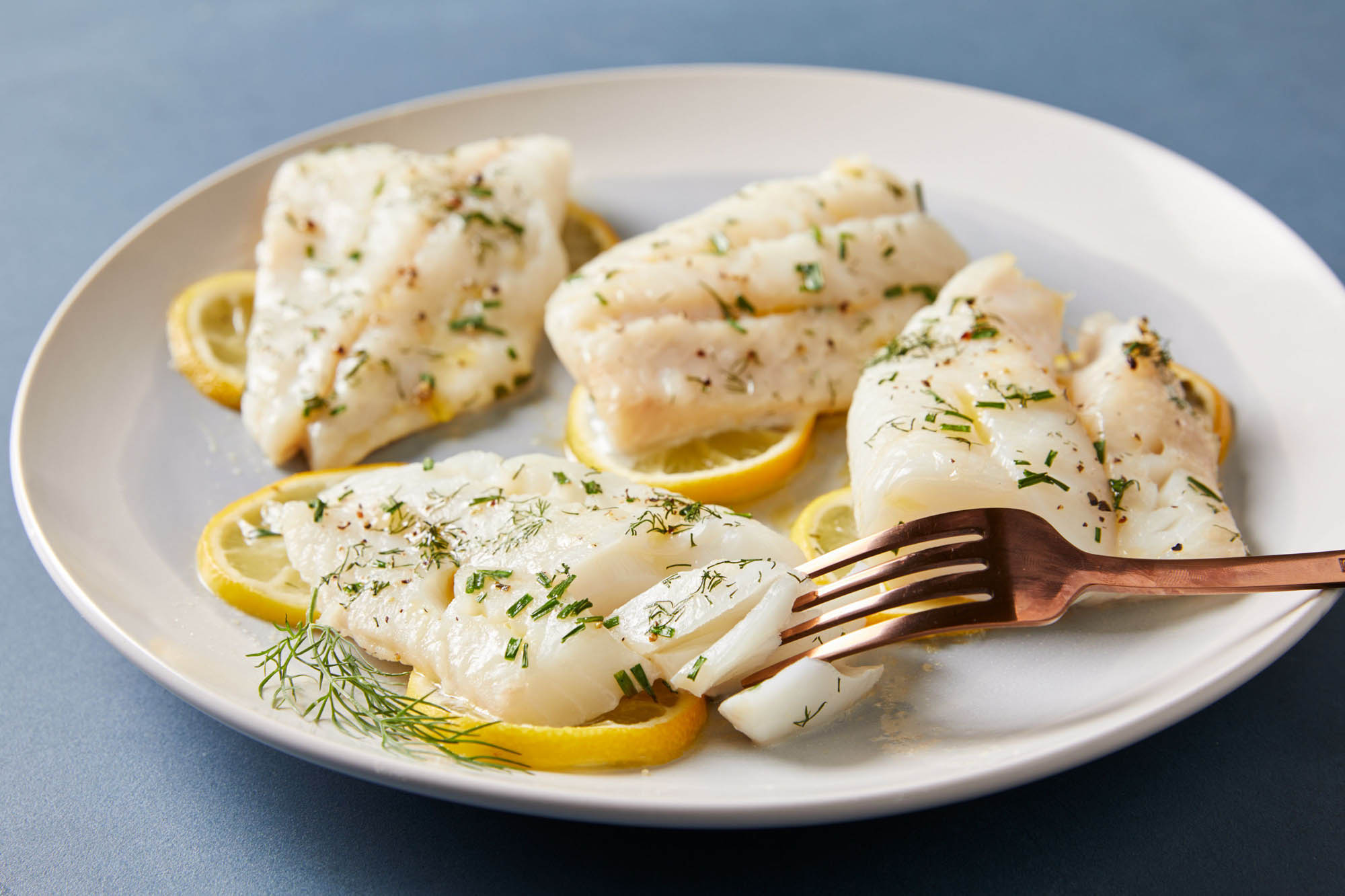
Just like chefs, start by using the freshest, highest quality ingredients available to you. Head to your local farmer’s market or grocery store and handpick the best produce, meats, and seafood. Remember, the quality of your ingredients will greatly impact the final outcome of your dish.
2. Plan Your Meal
Before you start cooking, take a moment to plan your meal. Chefs are known for their impeccable organization skills. Create a menu, decide on the courses, and prepare a shopping list. This will help you stay focused and ensure you have everything you need before you start cooking.
3. Learn and Master Basic Cooking Techniques
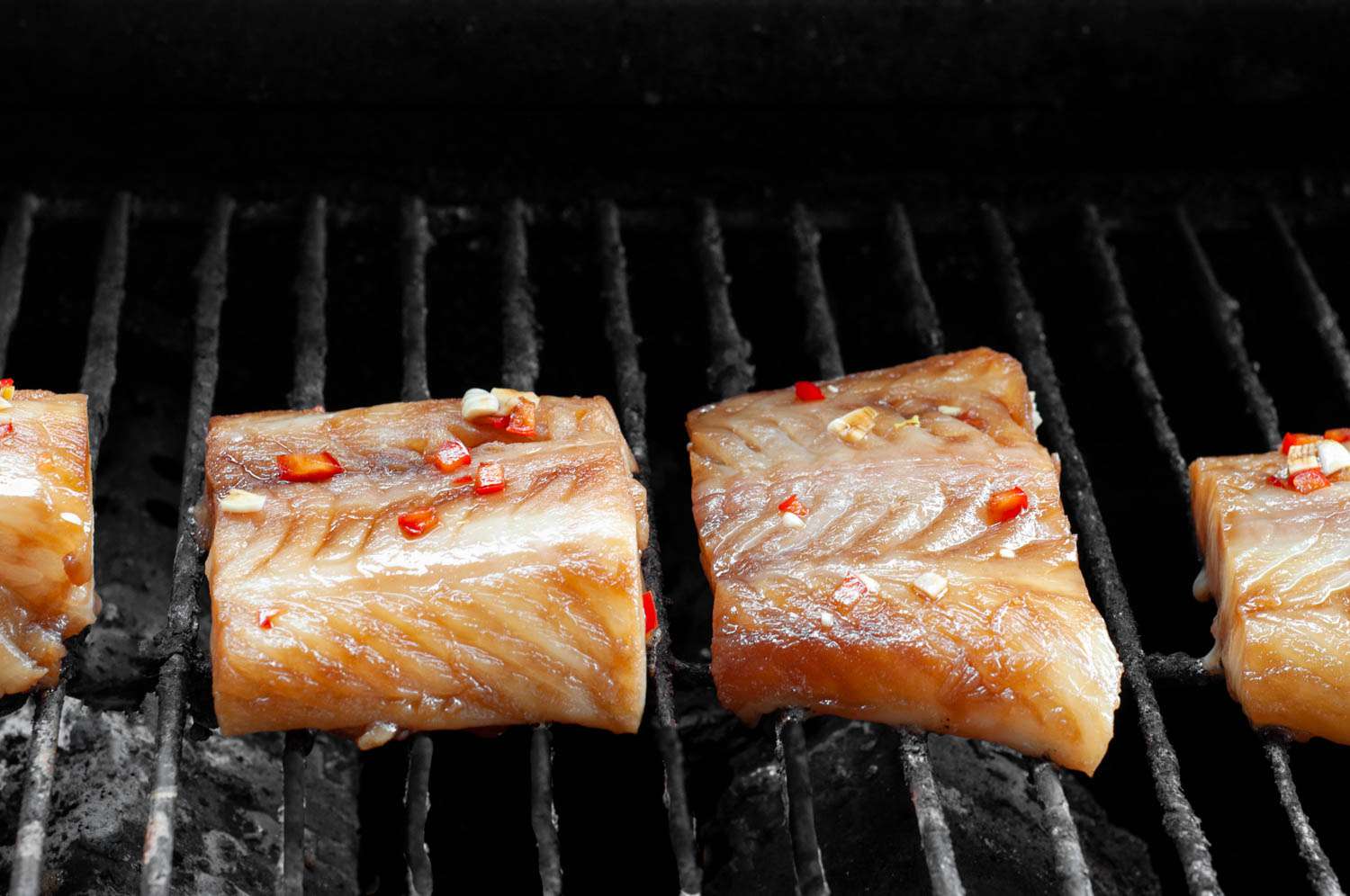
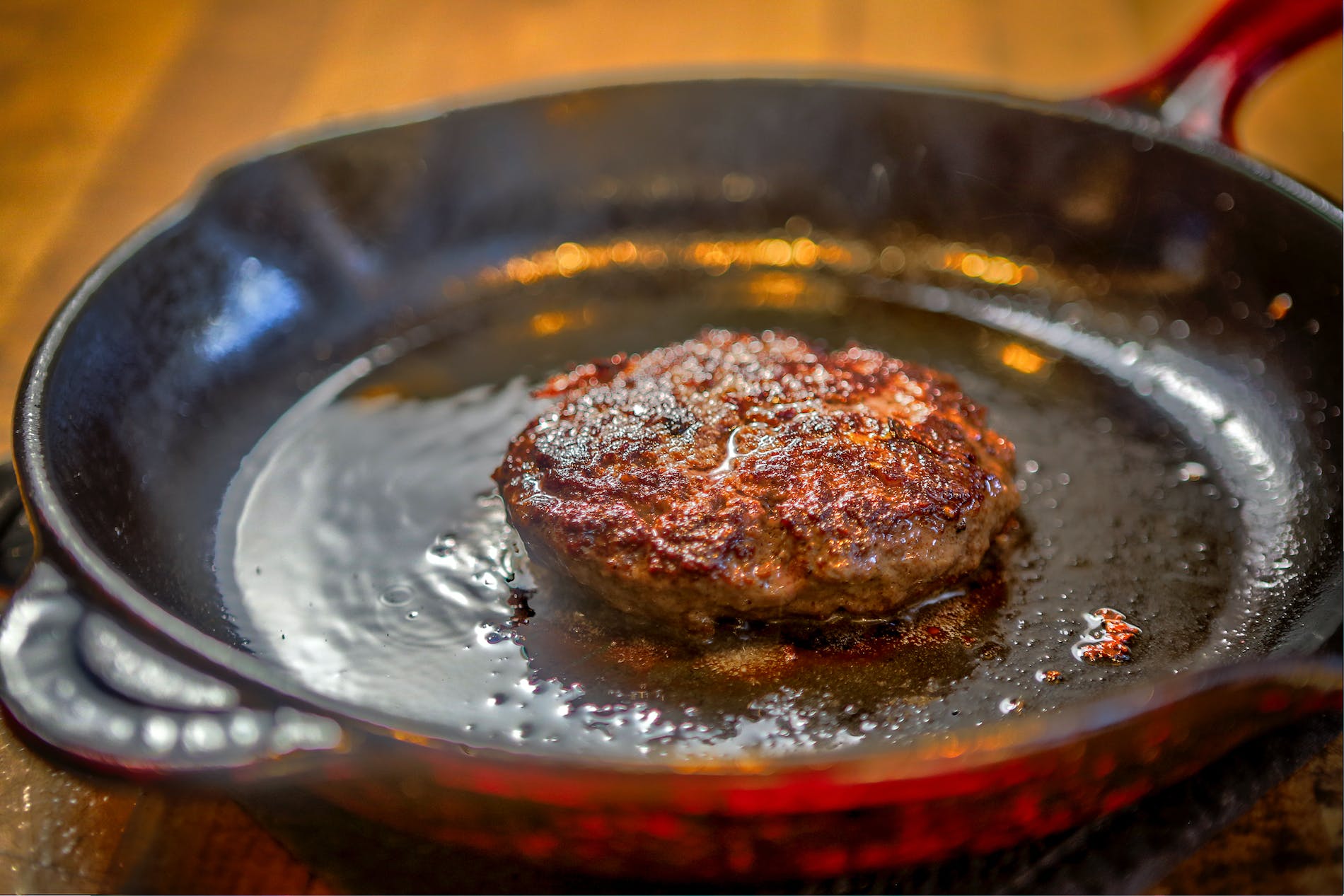
Understanding and mastering basic cooking techniques is essential to cook like a chef. Spend time learning and practicing techniques such as sautéing, braising, roasting, and grilling. The more proficient you become with these techniques, the more versatility you will have in the kitchen.
4. Sharpen Your Knife Skills
A chef’s knife is their most valuable tool. Invest in a good quality chef’s knife and spend time honing your knife skills. Learn proper cutting techniques like julienne, mince, dice, and chiffonade. Well-executed knife skills not only improve the presentation of your dishes but also ensure even cooking.
5. Experiment with Flavors
Chefs are known for their ability to create unique and exciting flavor combinations. Don’t be afraid to experiment with different spices, herbs, and seasonings. Let your taste buds guide you and trust your instincts. The more you play with flavors, the more confident you’ll become in creating dishes that are bursting with complex tastes.
6. Pay Attention to Plating
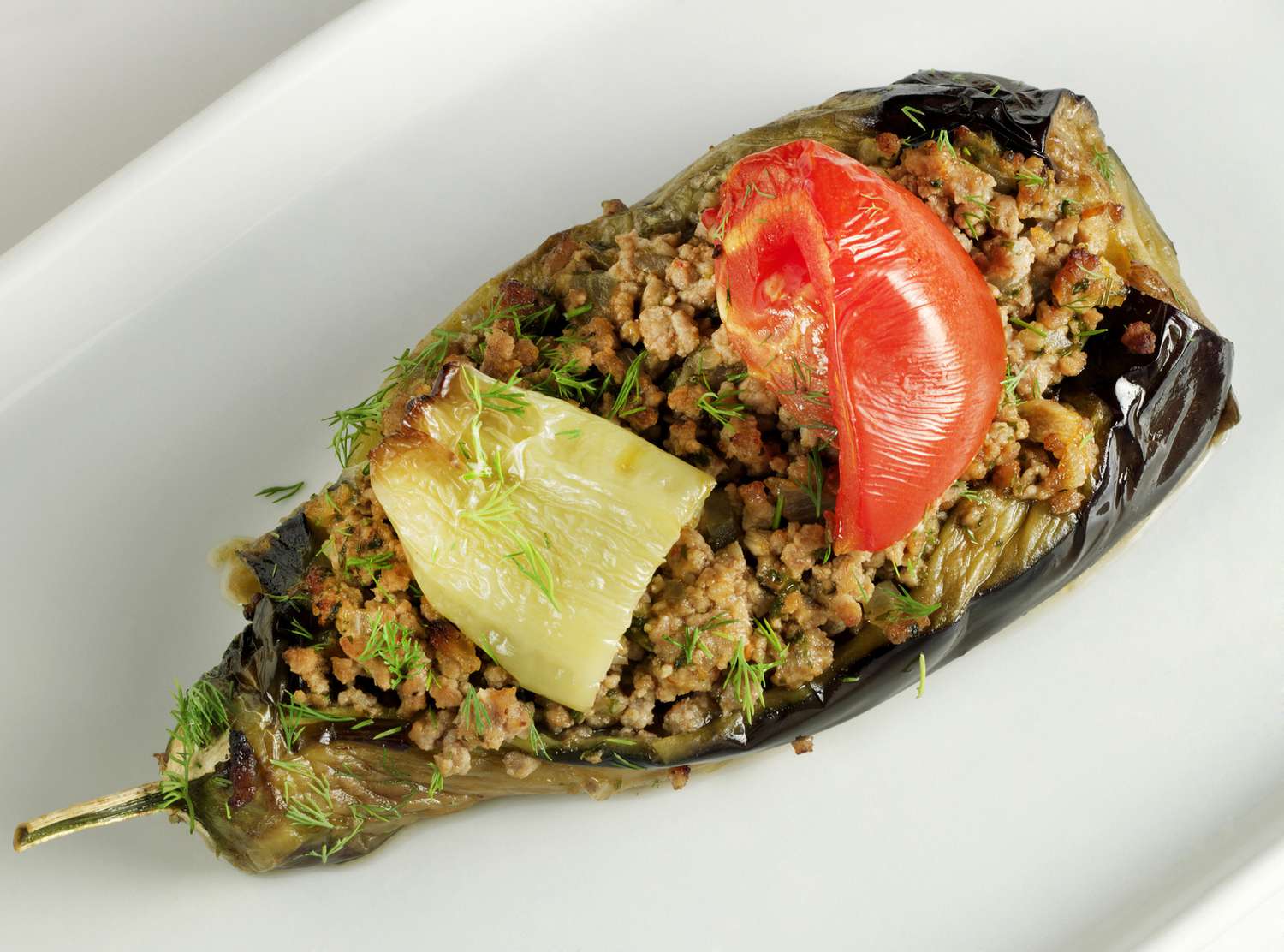
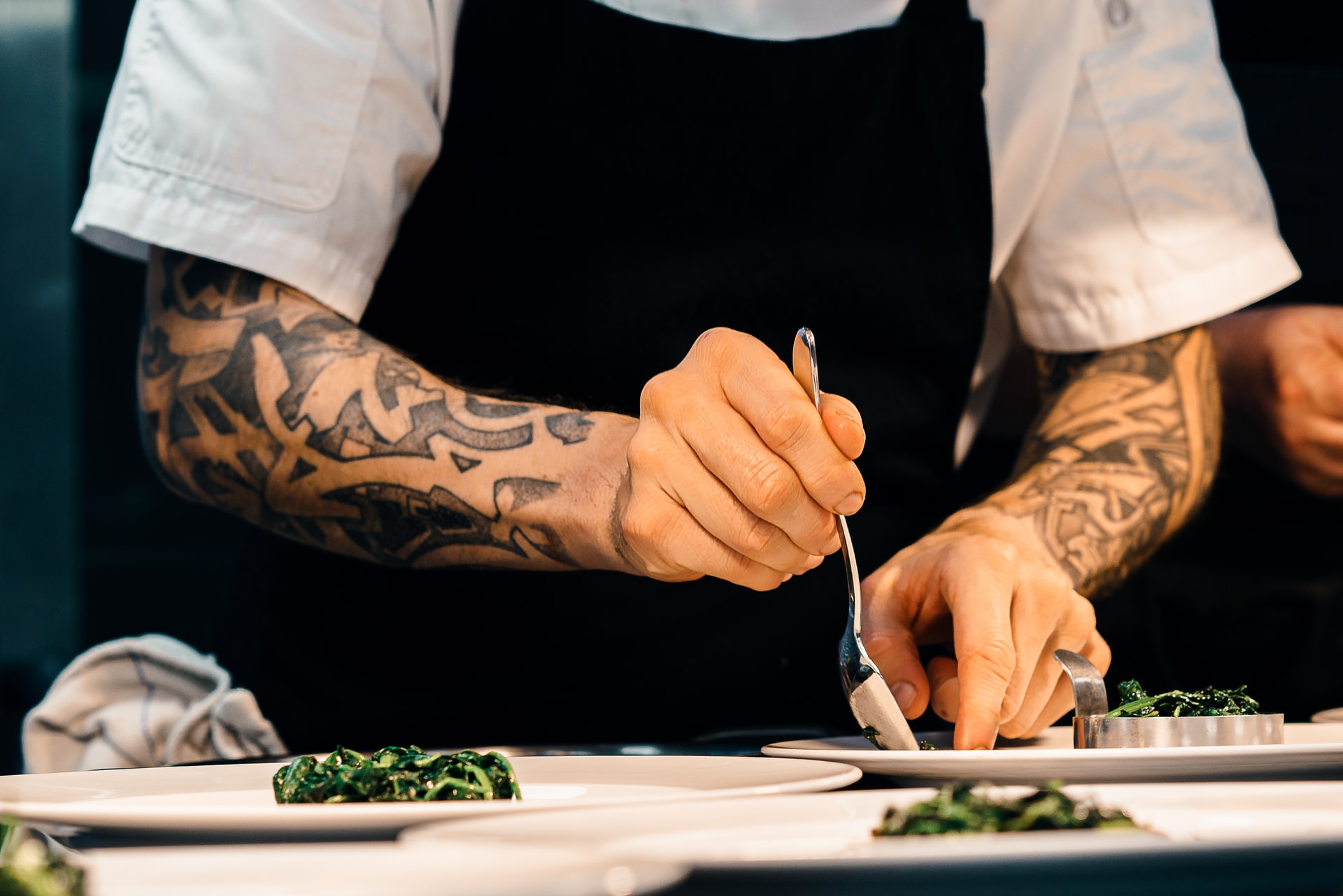
Don’t underestimate the power of presentation. Chefs pay great attention to plating their dishes artistically. Arrange your food with care, using different textures, colors, and heights. Remember, a beautifully presented dish is a feast for both the eyes and taste buds.
7. Practice Time Management
Timing is crucial in the world of chefs. To cook like a pro, practice good time management skills. Plan your cooking process, multitask when possible, and have a clear understanding of cooking times for different ingredients. This will help you deliver perfectly cooked meals, just like a chef in a restaurant kitchen.
8. Embrace the Joy of Learning
Lastly, but most importantly, embrace the joy of learning. Chefs are constantly seeking inspiration, trying new techniques, and exploring different cuisines. Follow their lead and have fun expanding your culinary knowledge. Attend cooking classes, watch instructional videos, and read cookbooks. The more you learn, the closer you’ll get to cooking like a chef.
By following these tips and techniques, you’ll be well on your way to transforming your cooking skills and creating meals that would make any chef proud. Remember, cooking is an art form, and with practice and passion, you too can cook like a chef.
Was this page helpful?
Read Next: How To Cook Stouffers Lasagna
Related Articles